With the 2026 season now underway we would like to wish all anglers the best of luck and tight lines for new season.
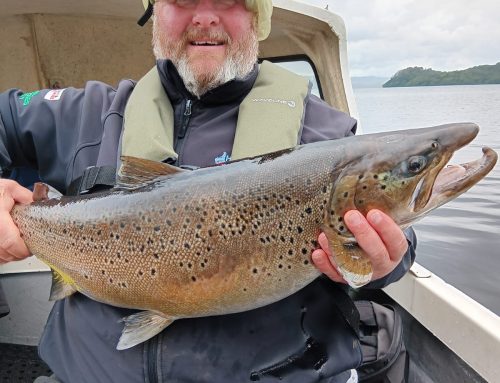
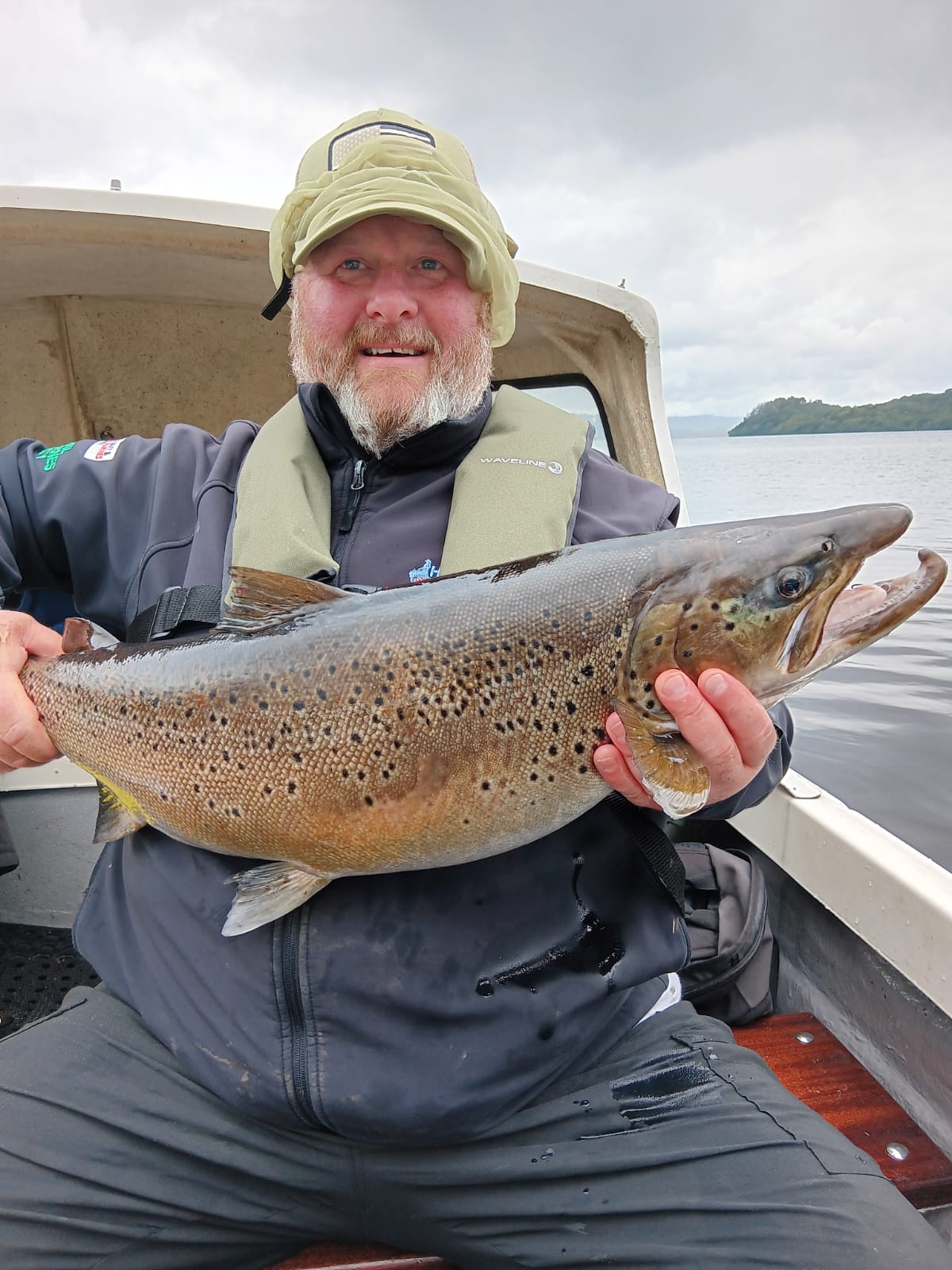
Barely two days into the season and we have several reported catches already. Seasoned Estuary enthusiast Nathan Chlosta has been out on the water and immediately in amongst some nice Sea Trout catches.
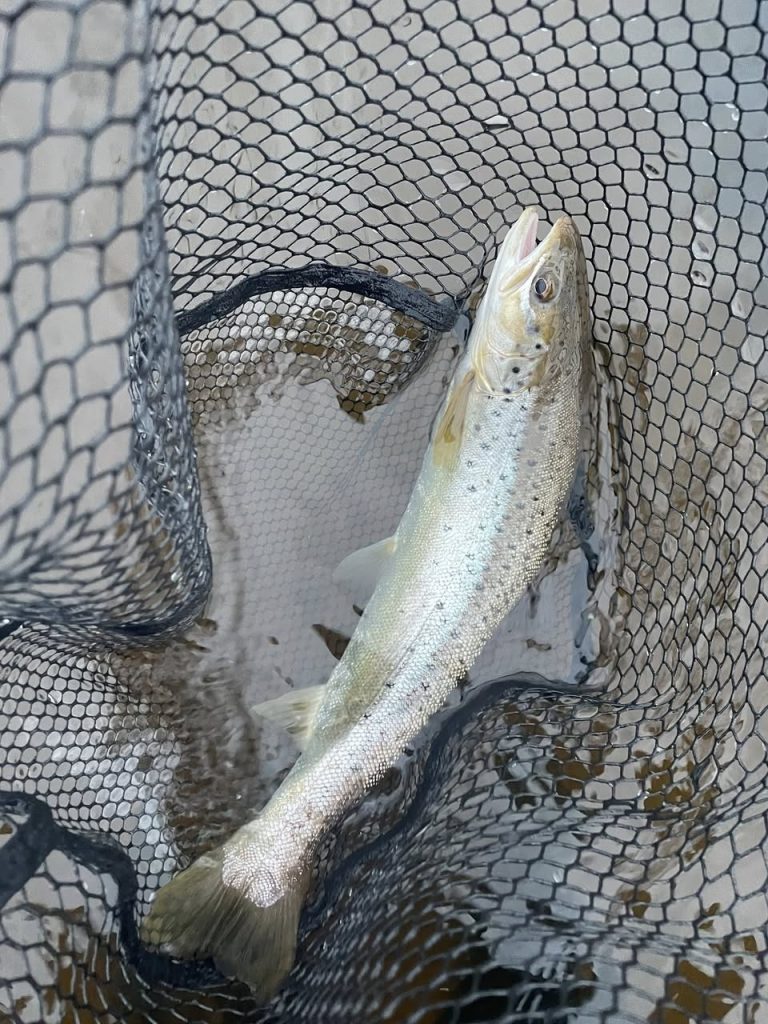
Nathan Chlosta on the water on opening day – with success!
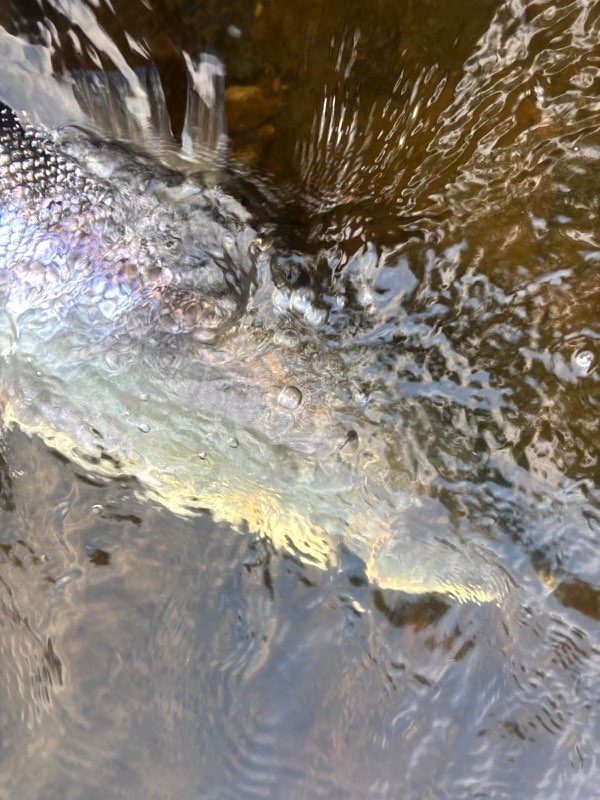
Experienced Leven angler Gavin Lees has been out on the river hooking and successfully landing a 7lb Salmon on the fly at The Piles on opening day. Unfortunately, this turned out be last year’s model but good to get that tug nevertheless.
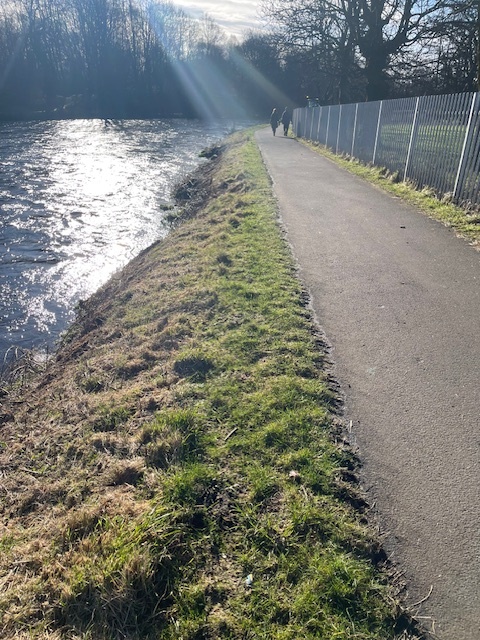
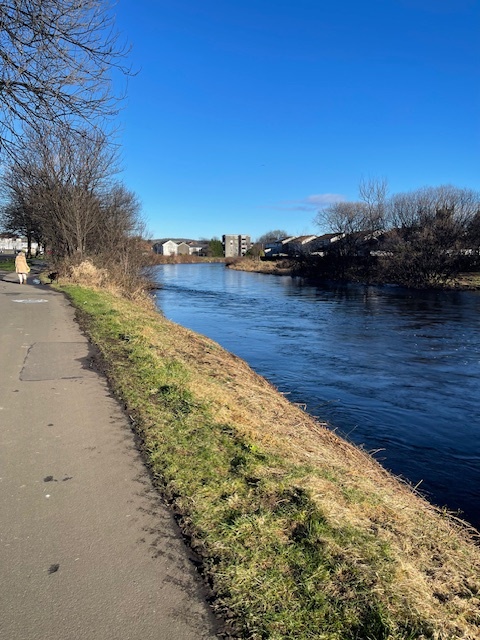
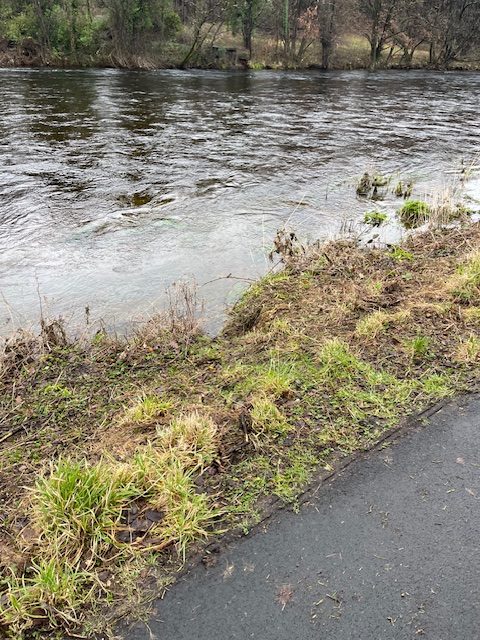
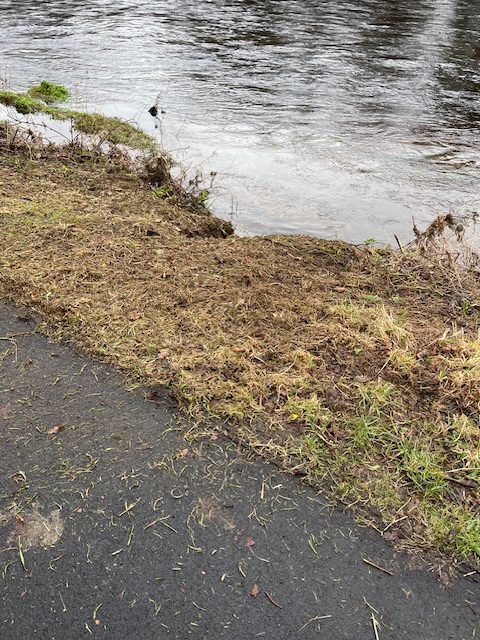
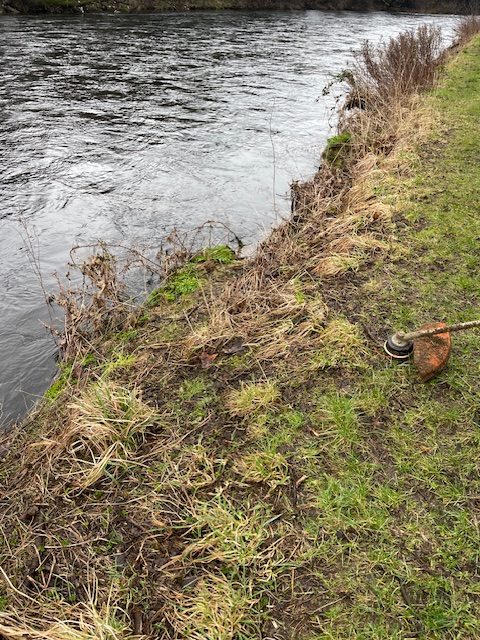
Ahead of the start of the season this week or so our Bailiff Team have been busy strimming entry and egress points down the River Leven additionally our contractor has been out deploying the tractor and flail before opening Saturday and before restrictions of bird nesting season prevents such activities.
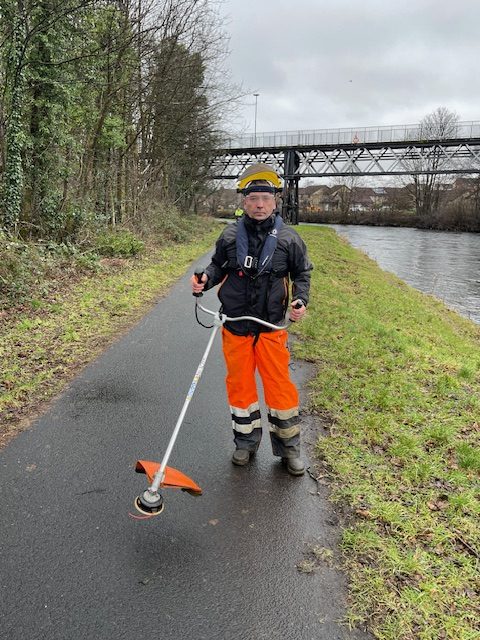
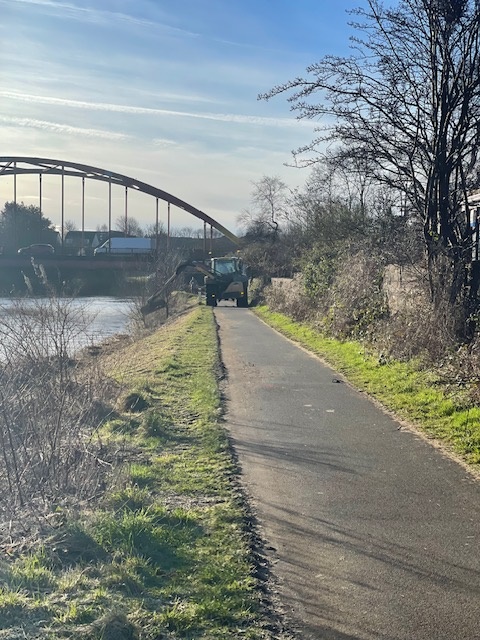
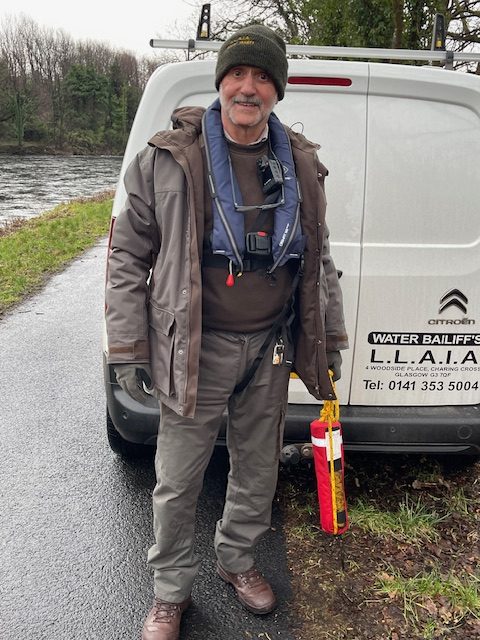
Important Information for 2026
Key Lomond system requirements
- Lomond System Category 3:100% catch‑and‑release for all salmon throughout the system.
- Permitted methods until 1 May:
Fly or artificial lure only.
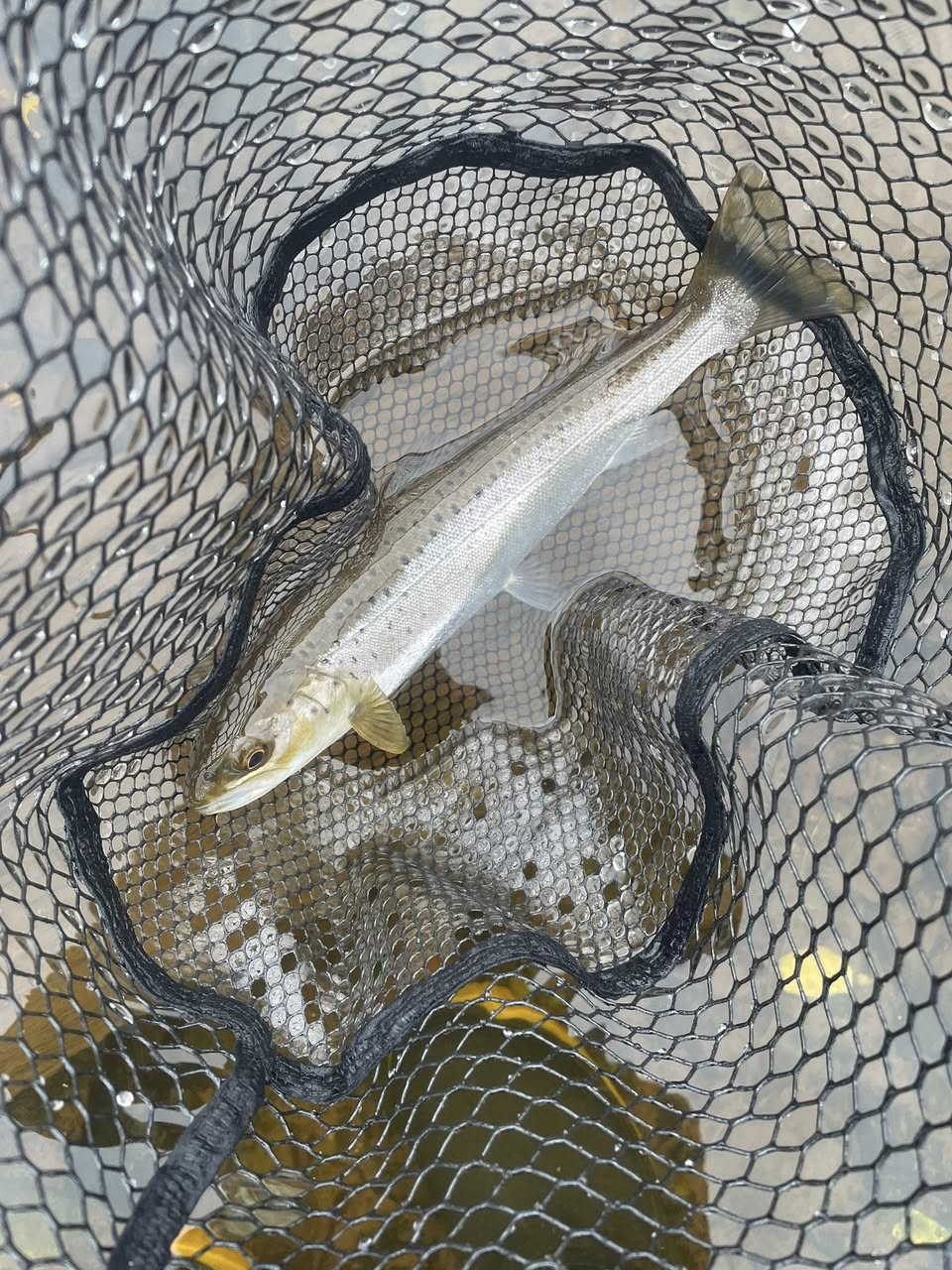
How to Identify Kelts
Kelts are post‑spawning salmon or sea trout making their way back to sea. You’re likely to encounter them early in the season, so correct identification is essential.
Key Features
- Long, thin, lean body shape
- Ragged or damaged fins and/or tail
- Hollow belly or slightly distended vent
- Possible gill maggots or patches of fungus
- Often surprisingly bright silver, despite poor condition
Sea trout kelts show similar characteristics and typically take longer to recover.
Best‑Practice Handling & Unhooking
Responsible catch‑and‑release is vital to the future of our stocks. Please follow these Scotland‑wide recommended practices. Below are the key principles recommended by Fisheries Management Scotland, River Dee guidance, and established Scottish fishery experts.
Before the Fish Is Hooked
- Carry forceps, camera, and tools ready to use.
- Use a rubber‑coated, knotless landing net.
During the Fight
- Play the fish firmly and bring it to hand quickly to reduce fatigue.
Handling the Fish
- Keep the fish in the water whenever possible.
- Limit total air exposure to under 10 seconds.
- Wet your hands before contact.
- Support the fish horizontally—never squeeze or let it fall onto hard surfaces.
Unhooking
- Unhook the fish in the water or while submerged in the landing net.
- Use forceps or pliers for quick, clean hook removal.
- When fishing solo, take photos of the fish in the net at water level.
Photography
- Avoid lifted “grip‑and‑grin” shots.
- Prefer quick, water‑level photos that keep the fish supported.
Releasing
- Hold the fish upright facing upstream.
- Allow it to regain strength and kick away on its own—avoid pulling it back and forward.
Environmental Responsibility
- Please refrain from fishing when water temperatures exceed 18–20°C.
- Maintain good biosecurity with clean–check–dry protocols.
Water Safety
Your safety matters. Whether you are on foot or afloat, always:
- Wear a buoyancy aid.
- Check weather and water conditions.
- Take extra care when wading—use a wading staff where appropriate.
Looking Ahead
Water levels and early conditions look favourable for the start of the season. Remember, you need a line in the water to catch fish—so make the most of the opportunities ahead.
We also encourage you to share your catches, highlights, and angling stories with us at:
Best Regards,
Colin Liddell
Chairman, LLAIA